We're launching epiPRIME - a new collaborative project awarded £5.79m from ARIA

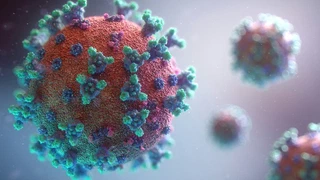 A virus particle
I have been fascinated by diverging innate immune responses to insults since my PhD, where I observed that tissue-resident microglia and infiltrating macrophages exhibited strikingly different behaviours following an injury despite sharing similar lineages and overall function. What could be driving this divergence? At the same time, I also became intrigued by the concept of harnessing and modulating innate immune responses to improve health outcomes due to their critical role in maintenance and first responses, which was further strenghtened over the years with emerging literature that an aged immune system drives whole body ageing.
Fast forward several years of working on epigenetics, I’m now delighted to be leading a project in the Advanced Research + Invention Agency (ARIA) Sculpting Innate Immunity Opportunity Space. Our project, epiPRIME epigenetically programmed resilience through innate memory engineering, resides in Technical Area 1 (TA1, explorers) of the Sustained Viral Resilience Programme and tackles how we may synthetically engineer memories of trained immunity in innate immune cells through a combination of computational biology (led by myself and Prof. Jordana Bell, King’s College London), chemistry (Dr. Pratik Gurnani, University College London), genome engineering (Dr. Gabriella Ficz, Queen Mary University London), and advanced experimental modelling (led by Dr. Aaron Scott, University of Birmingham and Dr. Ioannis Kourtzelis, University of York). The overarching aim is to make cells more resilient to a broad range of viral infections, rather than developing vaccines for specific viral strains, thus aiding efforts for pandemic preparedness.
Read more about our project and other ARIA teams on their ARIA Sustained Viral Resilience website and Cambridge Stem CeLl Institute news.
